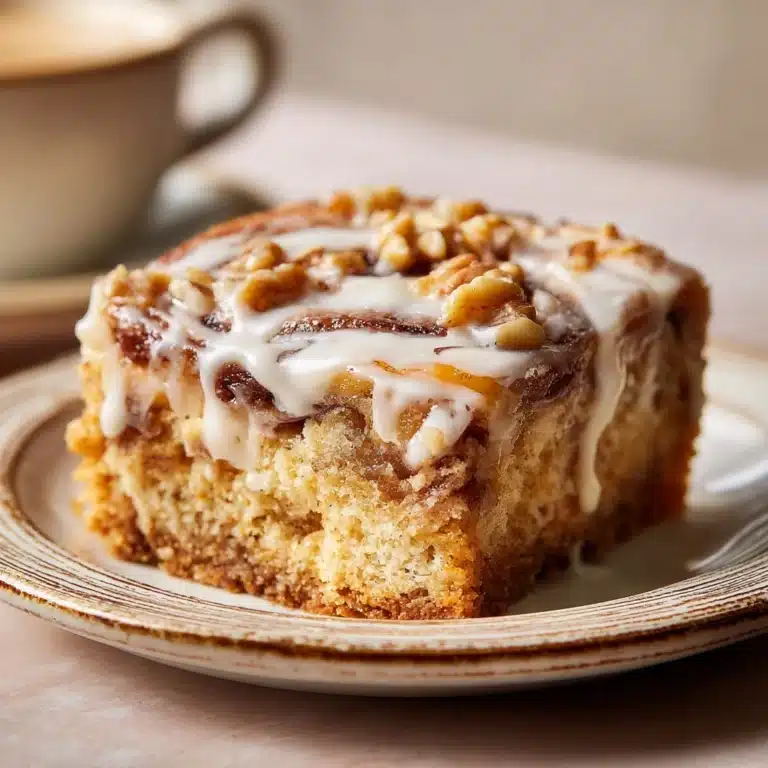

If you have a soft spot for warm, fluffy, and slightly tangy delights, then the Sourdough Donut is about to become your new favorite treat. This recipe brilliantly combines the rustic charm of sourdough fermentation with the irresistible comfort of a classic fried donut. The gentle tang of the sourdough starter perfectly balances the sweetness, creating a donut that’s tender on the inside with a lightly crisp exterior. Whether you’re starting your day or treating yourself to a mid-afternoon snack, these donuts bring a homemade authenticity that’s hard to beat.

Ingredients You’ll Need
These ingredients are wonderfully straightforward but each one plays a vital role in ensuring your Sourdough Donut comes out with the perfect flavor, texture, and color. From the tangy sourdough starter to the soft butter, everything works together to create a donut that’s both fluffy and rich.
- 1 cup active sourdough starter (100% hydration): Provides that signature tang and keeps the dough light and airy.
- 2 cups all-purpose flour: The foundation of the dough that gives the donut structure and chew.
- 1/2 cup whole milk (warm): Adds moisture and richness for a tender crumb.
- 1/4 cup granulated sugar: Sweetens the dough just enough without overpowering the sourdough flavor.
- 1 large egg: Binds the ingredients and adds richness to the donut.
- 1/4 cup unsalted butter (softened): Gives a luscious texture and depth of flavor.
- 1 teaspoon vanilla extract: Enhances the sweetness and adds a warm, comforting aroma.
- 1/2 teaspoon salt: Balances sweetness and strengthens the dough.
- 2 teaspoons baking powder: Provides a gentle lift alongside natural fermentation.
- Vegetable oil (for frying): Ensures a crispy, golden exterior.
- Powdered sugar or glaze for topping (optional): Adds the perfect finishing touch and extra sweetness.
How to Make Sourdough Donut
Step 1: Prepare the Wet Ingredients
Start by combining your active sourdough starter, warm whole milk, sugar, egg, softened butter, and vanilla extract in a large mixing bowl. Stir these together until the mixture is smooth and well combined. This step ensures that all the flavors begin mingling beautifully before adding the flour.
Step 2: Mix the Dry Ingredients
In a separate bowl, whisk together the all-purpose flour, salt, and baking powder. This dry mix is crucial to give structure to the mildly tangy, soft dough and help it rise nicely alongside the starter’s fermentation.
Step 3: Combine and Form the Dough
Gradually add the dry ingredients to the wet mixture, stirring gently until you achieve a soft and slightly sticky dough. Don’t overmix here; you want a tender consistency to get that fluffy end result. Once combined, cover the bowl and let the dough rest at room temperature for 3 to 4 hours. Watch as the dough puffs up slightly and becomes bubbly — that’s the sign your sourdough magic is happening!
Step 4: Shape the Donuts
After your dough has had time to ferment and rise, turn it out onto a floured surface. Roll it to about 1/2 inch thickness. Use a donut cutter or two round cutters (one larger and one smaller) to cut out your donuts. Collect the scraps, re-roll, and cut additional donuts — there’s no waste when donuts are on the menu!
Step 5: Fry to Golden Perfection
Heat your vegetable oil in a deep pot or fryer to 350°F (175°C). Carefully lower a few donuts into the hot oil without overcrowding, then fry for 1 to 2 minutes per side or until each donut develops that beautiful golden-brown hue. Remove with a slotted spoon and let them drain on a paper towel-lined tray. Repeat with the remaining donuts for batch after batch of pure joy.
Step 6: Add Your Finishing Touch
Once slightly cooled, dust the donuts with powdered sugar or dip them into your favorite glaze if you desire an extra layer of sweetness. Serving these warm ensures that melt-in-your-mouth experience that makes every bite pure bliss.
How to Serve Sourdough Donut

Garnishes
Powdered sugar is a classic choice, adding an elegant snowy finish that melts softly when the donut is warm. You can also try a cinnamon sugar dusting for a cozy twist or go for a drizzle of chocolate or vanilla glaze to add a glossy, indulgent touch that makes each donut even more irresistible.
Side Dishes
Sourdough Donut pairs beautifully with a hot cup of coffee or chai tea for a brunch or snack treat. For a more substantial pairing, fresh fruit, homemade yogurt, or a scoop of creamy ice cream make excellent companions that balance the richness of the donuts.
Creative Ways to Present
Make your Sourdough Donut spread unforgettable by stacking them with layers of flavored cream or jam in between for donut sandwiches. You can also serve them as mini bites on a platter with different glazes and toppings, perfect for sharing at gatherings or celebrations.
Make Ahead and Storage
Storing Leftovers
If you have leftovers, keep your donuts fresh by storing them in an airtight container at room temperature for up to two days. This maintains their soft texture while preventing them from drying out.
Freezing
To enjoy your Sourdough Donut later, freeze them in a single layer on a baking sheet. Once frozen solid, transfer to a freezer-safe bag or container. They’ll keep well for up to a month without losing their delightful texture.
Reheating
Reheat frozen or leftover donuts by warming them in a 350°F oven for about 5 minutes or until heated through. Avoid microwaving as it can make them soggy instead of crisp and tender.
FAQs
Can I use a dry sourdough starter for this recipe?
It’s best to use an active, hydrated sourdough starter for this recipe because it provides the moisture and fermentation activity needed to make the dough rise properly and develop that tangy flavor.
What if I don’t have a donut cutter?
No worries! You can use two round cutters—one larger for the outer edge and a smaller one for the center hole. Any sturdy glass or jar lids work in a pinch.
Can I bake these donuts instead of frying?
While frying gives the classic crispy exterior, you can bake them at 375°F for about 12-15 minutes until golden. The texture will be a bit different but still delicious.
How long can I let the dough ferment for a tangier flavor?
Extending the fermentation up to 8 hours or refrigerating overnight results in a more pronounced sourdough tang and deeper complexity in the donut’s taste.
What’s the best oil to fry these donuts in?
Vegetable oil is ideal due to its high smoke point and neutral flavor. You could also use canola or peanut oil for equally great results.
Final Thoughts
Making a Sourdough Donut at home is such a rewarding and joyful experience — you get to enjoy the sensational flavors of sourdough with a cozy, indulgent twist. Whether you eat them fresh from the fryer or dress them up with creative toppings, these donuts bring a little sparkle to any day. I highly encourage you to try this recipe and share these warm, tangy treats with your family and friends. Trust me, once you’ve had a homemade sourdough donut, you’ll never want to go back to the store-bought kind!
Print
Sourdough Donut
- Total Time: 4 hours 30 minutes
- Yield: 10–12 donuts 1x
- Diet: Vegetarian
Description
Enjoy the delightful tang and fluffy texture of homemade sourdough donuts, crafted with a fermented sourdough starter and fried to golden perfection. This recipe guides you through creating soft, flavorful donuts with a slight tanginess from the starter, ready in just a few hours with simple ingredients and techniques.
Ingredients
Wet Ingredients
- 1 cup active sourdough starter (100% hydration)
- 1/2 cup whole milk (warm)
- 1/4 cup granulated sugar
- 1 large egg
- 1/4 cup unsalted butter (softened)
- 1 teaspoon vanilla extract
Dry Ingredients
- 2 cups all-purpose flour
- 1/2 teaspoon salt
- 2 teaspoons baking powder
For Frying and Topping
- Vegetable oil (for frying)
- Powdered sugar or glaze for topping (optional)
Instructions
- Mix Wet Ingredients: In a large mixing bowl, combine the active sourdough starter, warm milk, granulated sugar, egg, softened butter, and vanilla extract. Stir until the mixture is smooth and well blended.
- Combine Dry Ingredients: In a separate bowl, whisk together the all-purpose flour, salt, and baking powder to ensure even distribution of the leavening agents.
- Form the Dough: Gradually add the dry ingredient mixture into the wet ingredients, stirring gently until a soft, slightly sticky dough forms. Avoid overmixing to maintain a tender texture.
- Rest the Dough: Cover the bowl and let the dough rest at room temperature for 3 to 4 hours until it slightly puffs and becomes bubbly, indicating fermentation and flavor development.
- Roll and Cut Donuts: Lightly flour a clean surface and turn out the rested dough. Roll it to about 1/2 inch thickness. Use a donut cutter or two round cutters (one larger and one smaller) to cut out the donuts. Gather scraps, re-roll, and cut additional donuts as needed.
- Heat Oil: In a deep pot or fryer, heat vegetable oil to 350°F (175°C). Use a thermometer to maintain accurate temperature for optimal frying.
- Fry Donuts: Carefully place a few donuts in the hot oil without overcrowding. Fry each side for 1 to 2 minutes, or until the donuts turn golden brown. Ensure even frying by flipping gently.
- Drain Excess Oil: Use a slotted spoon to remove the donuts and transfer them to a paper towel-lined tray to drain off excess oil.
- Cool and Finish: Allow the donuts to cool slightly before dusting with powdered sugar or dipping in your favorite glaze. Serve fresh and enjoy the warm, tangy delight.
Notes
- For a tangier flavor, extend the dough fermentation time up to 8 hours or refrigerate overnight for a slow rise.
- Customize your toppings with cinnamon sugar, chocolate glaze, or vanilla glaze for variety and enhanced flavor.
- Substitute whole milk powder for fresh milk to add richness if preferred.
- Maintain a steady frying temperature to avoid greasy donuts.
- Do not overcrowd the frying oil to ensure crisp and evenly cooked donuts.
- Prep Time: 15 minutes
- Cook Time: 15 minutes
- Category: Dessert
- Method: Frying
- Cuisine: American